×
![Popup Image]()
Details
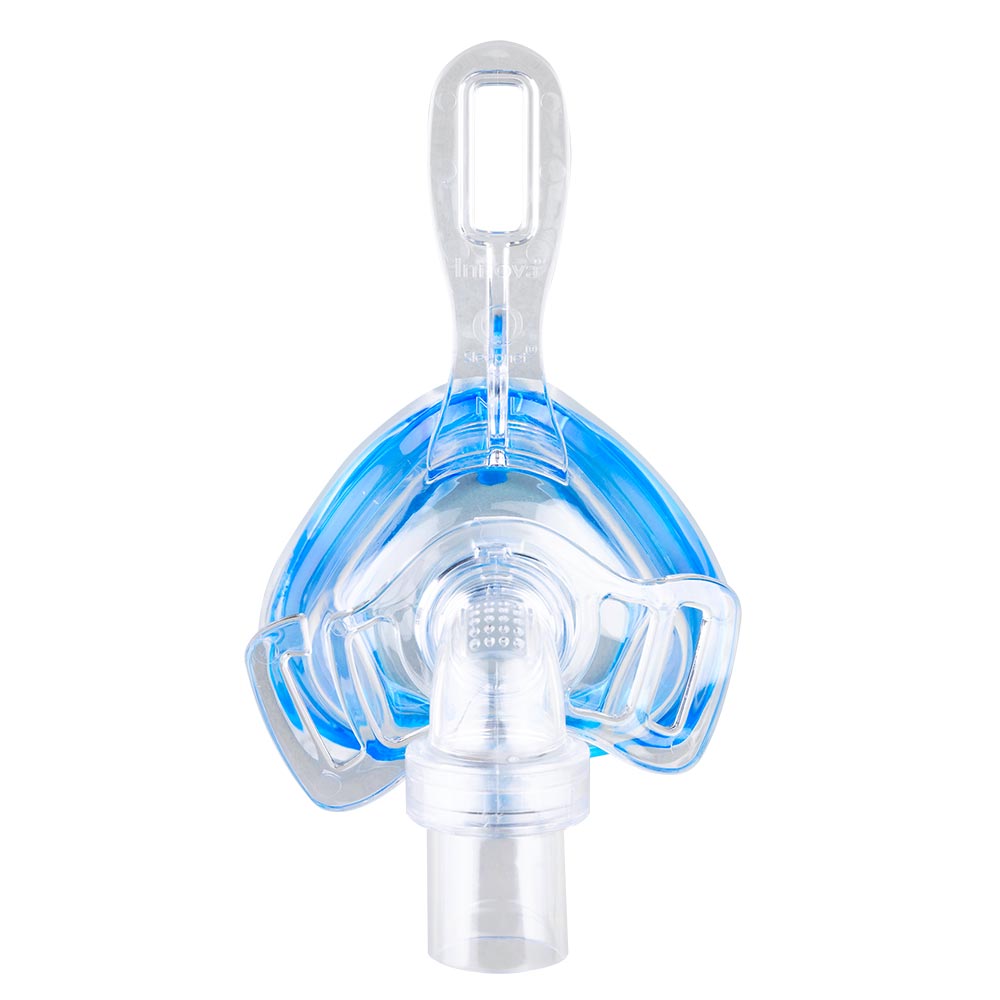
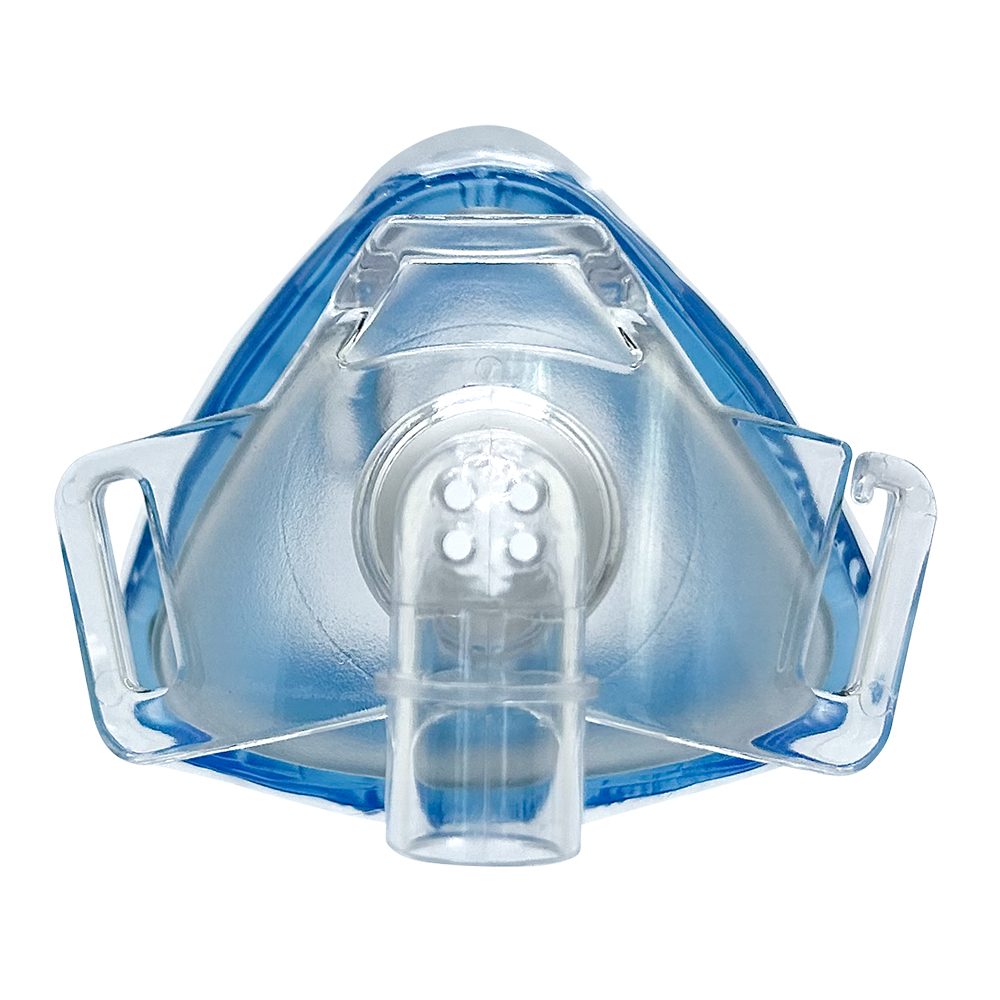
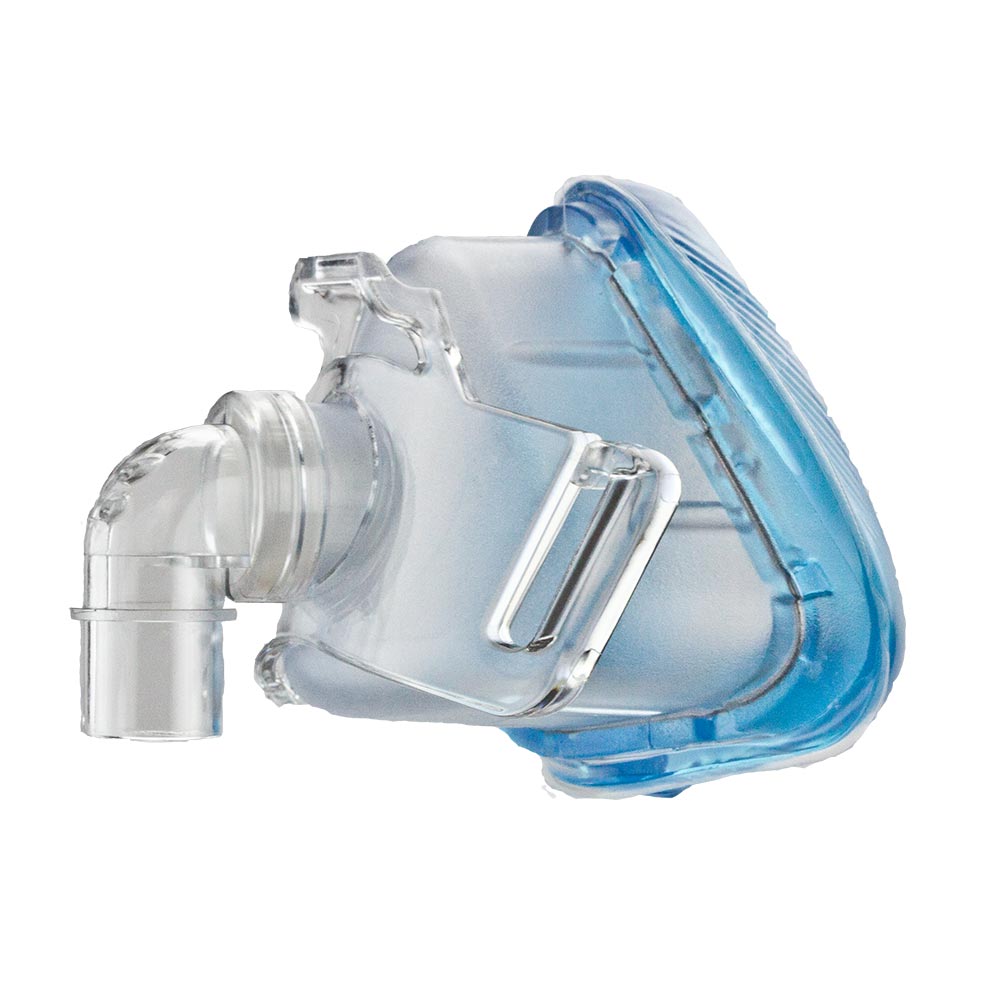
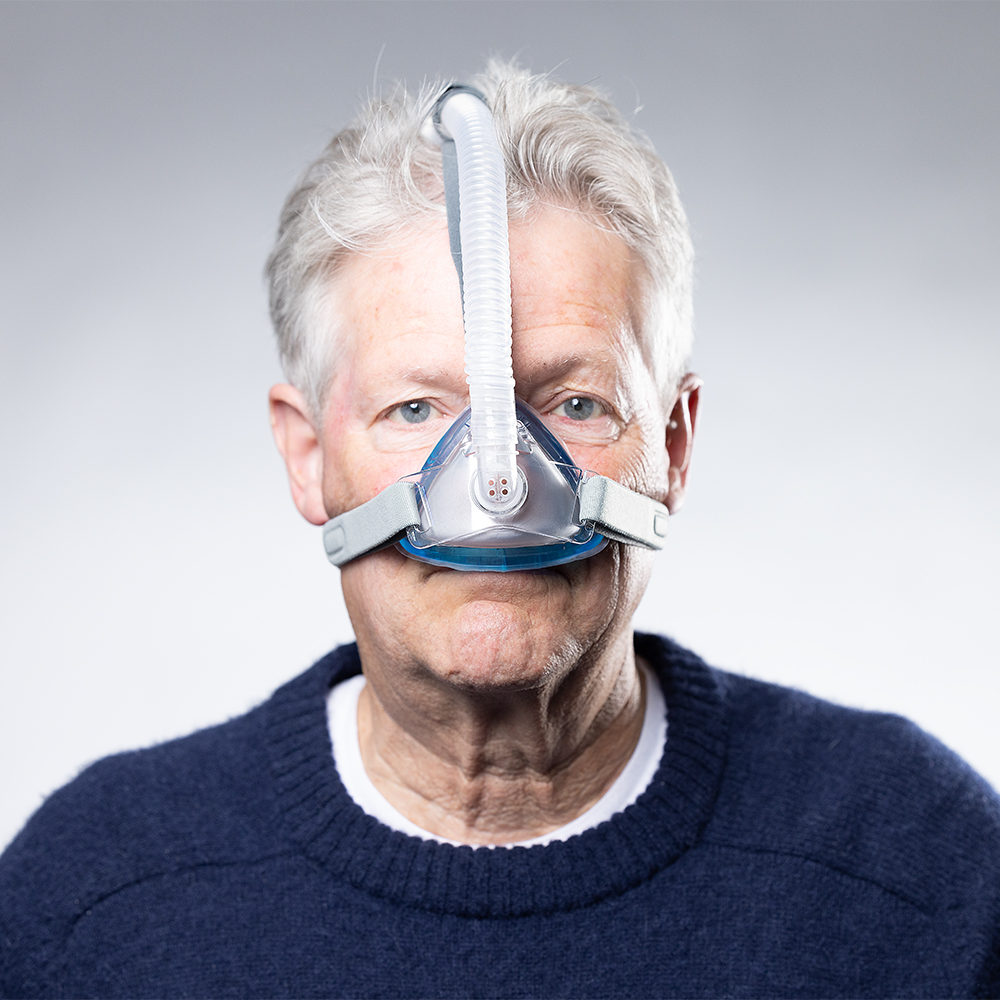
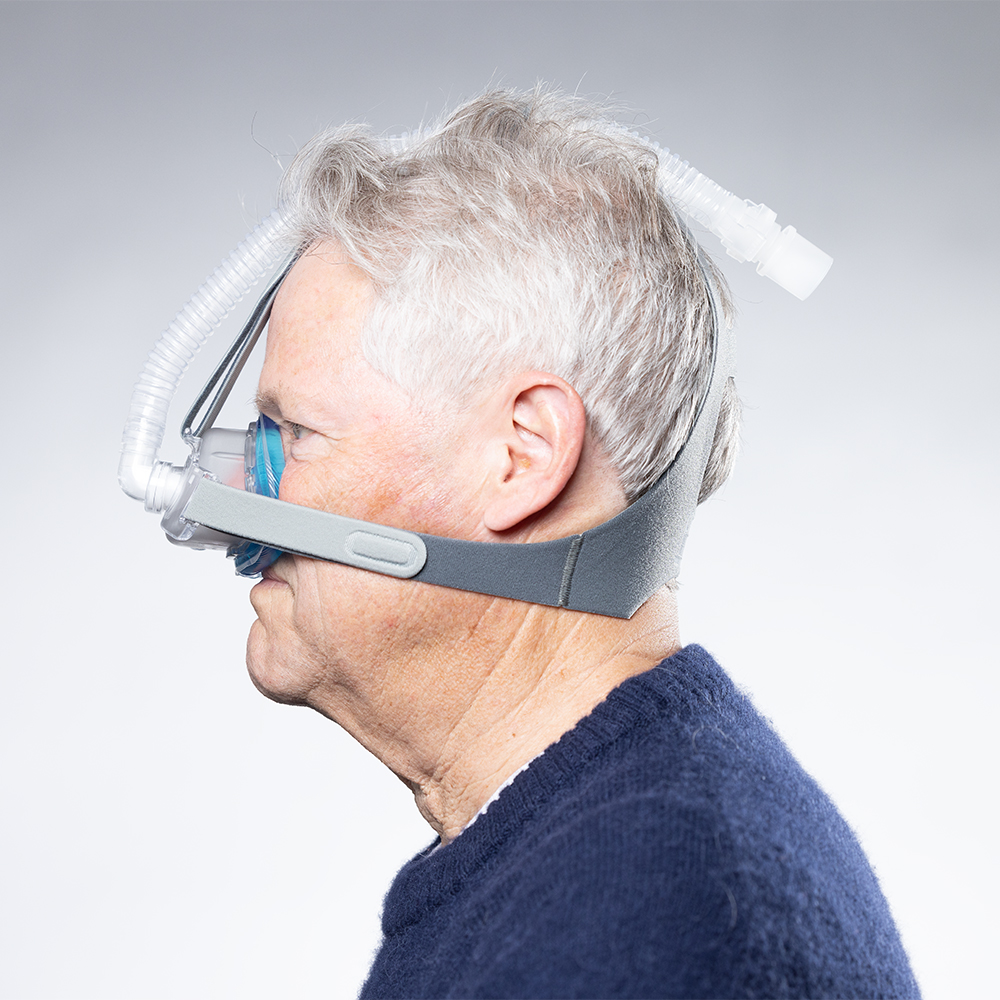
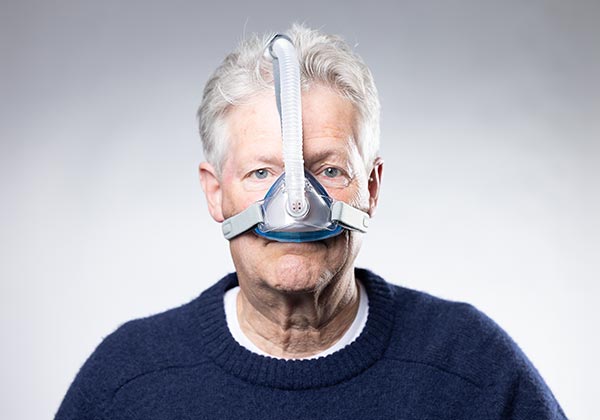
iQ ® Blue Nasal Mask can be shaped to each individual face, providing flexibility, visibility, and comfort.
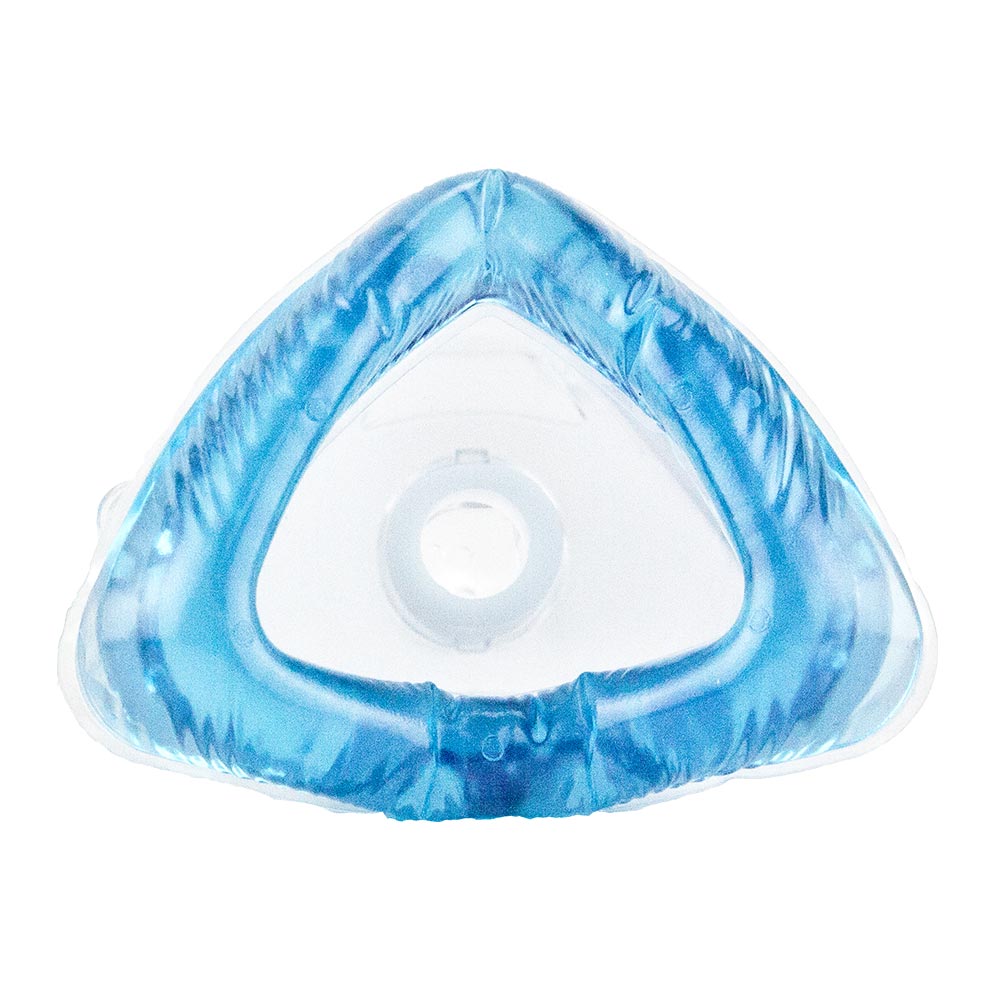
The iQ® Blue Nasal Mask uses Sleepnet’s AIR°gel® cushion featuring Custom Fit Technology, which provides superior stability and a comfortable seal while minimizing skin irritation.
Key Benefits:
- Comfort
- Flexible
- Personalized fit
- Visibility
Features

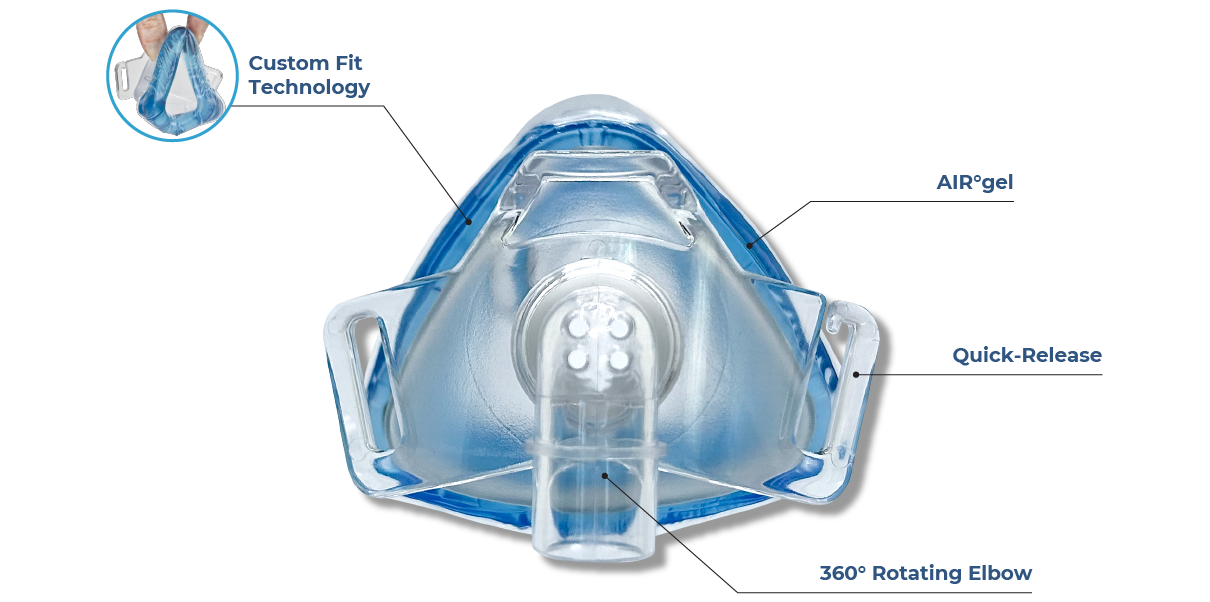
360 Rotating Elbow
Designed to provide flexibility and comfort, the 360-degree rotating elbow allows the user to change sleep positions, move their head, or adjust the mask without discomfort. Additionally, the rotating elbow prevents the tubing from becoming twisted or tangled, which can often cause leaks or discomfort.

AIR°gel®
Sleepnet’s AIR°gel® is a leading edge innovation developed and designed to enhance the comfort and effectiveness of our respiratory masks. This advanced cushion technology features medical grade silicone gel that conforms to the contours of each individual face creating a secure and comfortable seal that ensures a snug fit while minimizing air leakage around the edges. Our AIR°gel® technology is soft and flexible and helps to reduce irritation, making it suitable for extended wear.

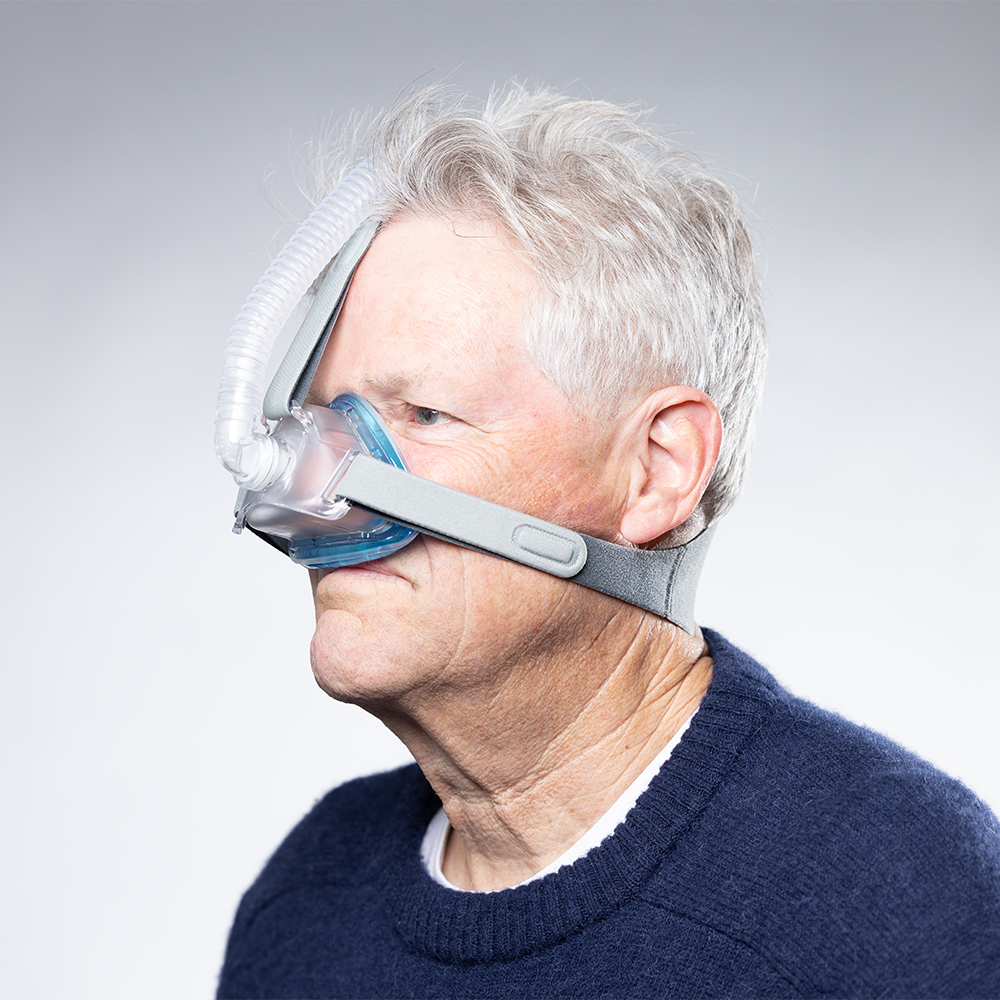
Breathable headgear
Designed to allow air to flow and draw sweat away from the skin, our breathable headgear, made from lightweight, moisture-wicking material, keeps the users's head cool and comfortable.

Clear field of vision
Designed to provide a Clear Field of Vision, giving the user the ability to watch television, read, or wear glasses while the mask stays comfortably in place.

Custom Fit Technology
Sleepnet's Custom Fit Technology is our proprietary technology made from a flexible, pliable material that responds to gentle manipulation and accommodates changes in weight and facial asymmetry. Custom Fit Technology allows the user to easily shape the mask by gently bending and molding it along the sides, top, and bottom to provide a consistent and secure fit.

Lightweight frame
Our masks are made from lightweight materials, designed to provide support and structure while ensuring durability and comfort.

Vented and Non-Vented available
Our vented masks contain vent holes and are designed to make it easier for the user to breathe out and reduce moisture buildup inside the mask.
Our non-vented masks do not have any vent holes and are used in settings where a ventilator is required.
Frequently Asked Questions
Are your masks compatible with any manufacturer’s device?
Our vented CPAP masks fit all standard 22 mm CPAP and BiPap device connections.
Are your masks made in the USA?
Yes, all Sleepnet masks are manufactured in the US with globally sourced materials.
How do I find the right size NIV mask for my patients?
Finding the right size non-invasive ventilation (NIV) mask for your patient involves careful assessment and fitting to ensure optimal comfort and effective therapy. Use this step-by-step guide to help you find the appropriate size NIV mask.
Does body temperature affect the seal of the Sleepnet mask?
Body temperature can affect the seal of a CPAP mask. However, the impact of body temperature on mask seal can vary depending on several factors:
Material: The material of the mask cushion and its interaction with your skin can be influenced by temperature. Some materials become more pliable and conform to your face better as they warm up. Others may become less pliable in cooler conditions.
Sweating: If you sweat during sleep, the moisture can impact the mask’s seal. Sweating can cause the mask cushion to lose grip on your skin, leading to leaks.
Skin Oils: Your skin produces natural oils, and body temperature can influence the production of these oils. These oils can accumulate on the mask cushion, affecting its seal over time.
Humidity: The humidity level in your sleeping environment can also play a role. If the air is too dry, it might affect the comfort of the mask and the skin, potentially leading to more leaks.
If you're experiencing consistent problems with your Sleepnet mask seal due to temperature-related issues, it's a good idea to consult your CPAP provider or sleep specialist for further guidance. They can offer personalized advice based on your specific situation.
Material: The material of the mask cushion and its interaction with your skin can be influenced by temperature. Some materials become more pliable and conform to your face better as they warm up. Others may become less pliable in cooler conditions.
Sweating: If you sweat during sleep, the moisture can impact the mask’s seal. Sweating can cause the mask cushion to lose grip on your skin, leading to leaks.
Skin Oils: Your skin produces natural oils, and body temperature can influence the production of these oils. These oils can accumulate on the mask cushion, affecting its seal over time.
Humidity: The humidity level in your sleeping environment can also play a role. If the air is too dry, it might affect the comfort of the mask and the skin, potentially leading to more leaks.
If you're experiencing consistent problems with your Sleepnet mask seal due to temperature-related issues, it's a good idea to consult your CPAP provider or sleep specialist for further guidance. They can offer personalized advice based on your specific situation.