×
![Popup Image]()
Details
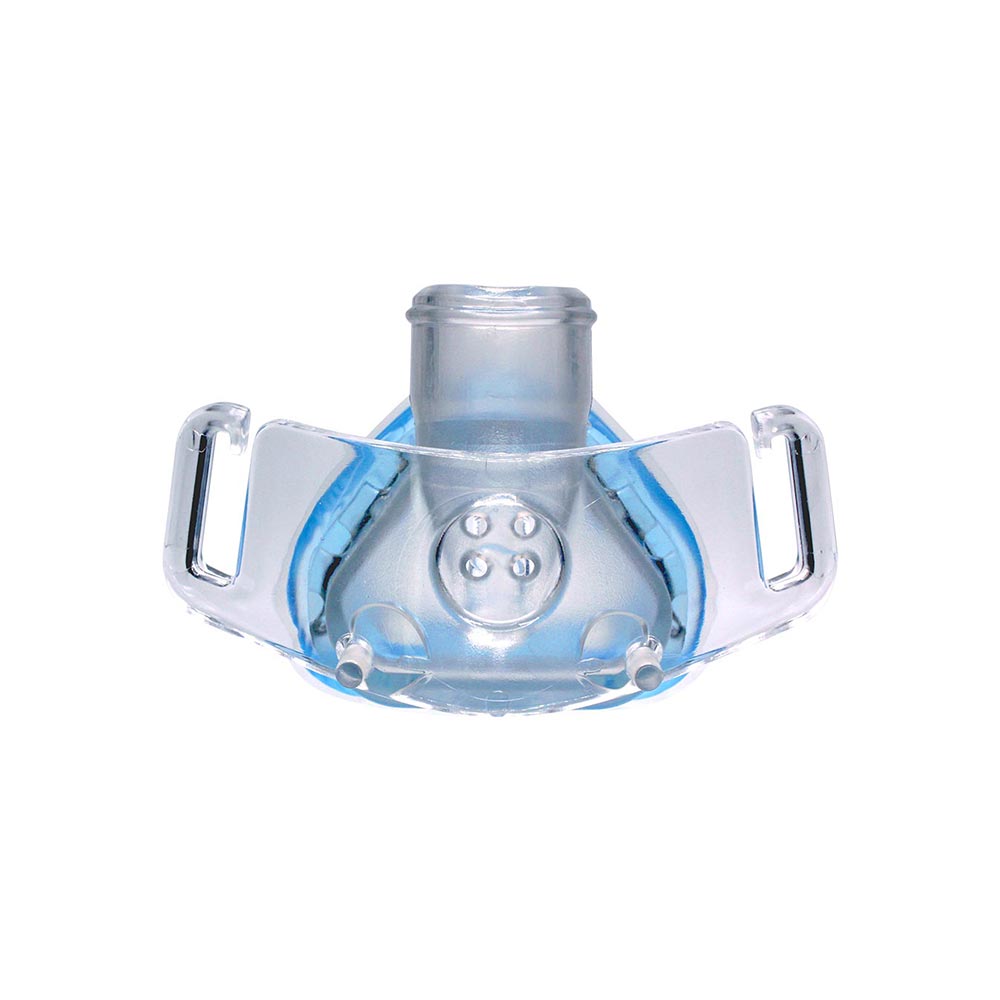
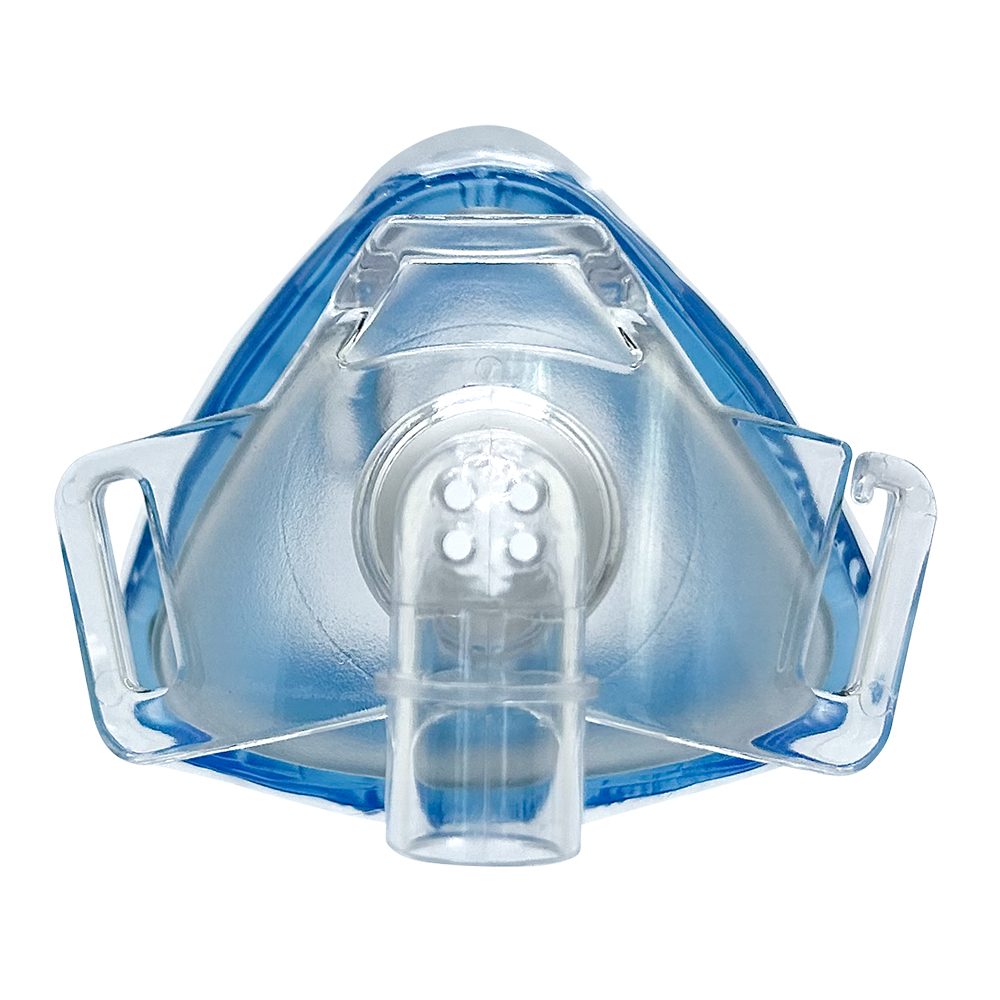
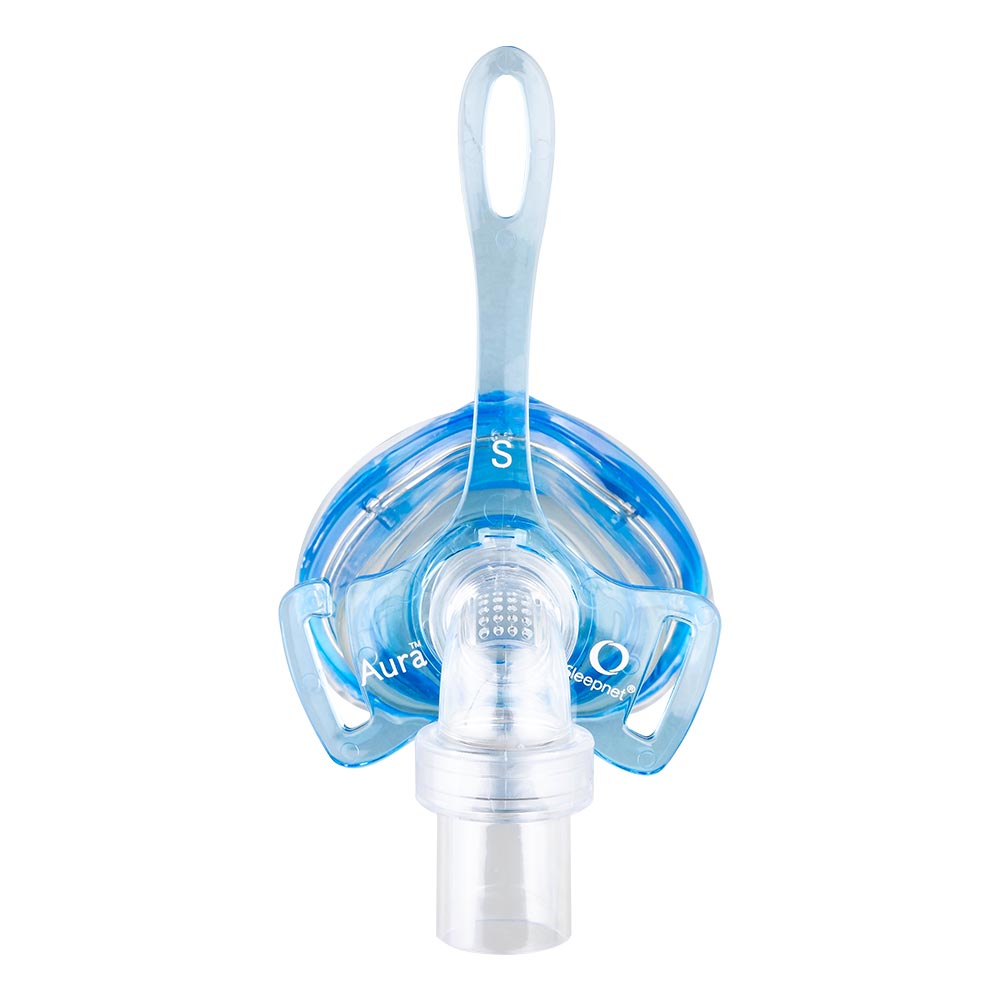
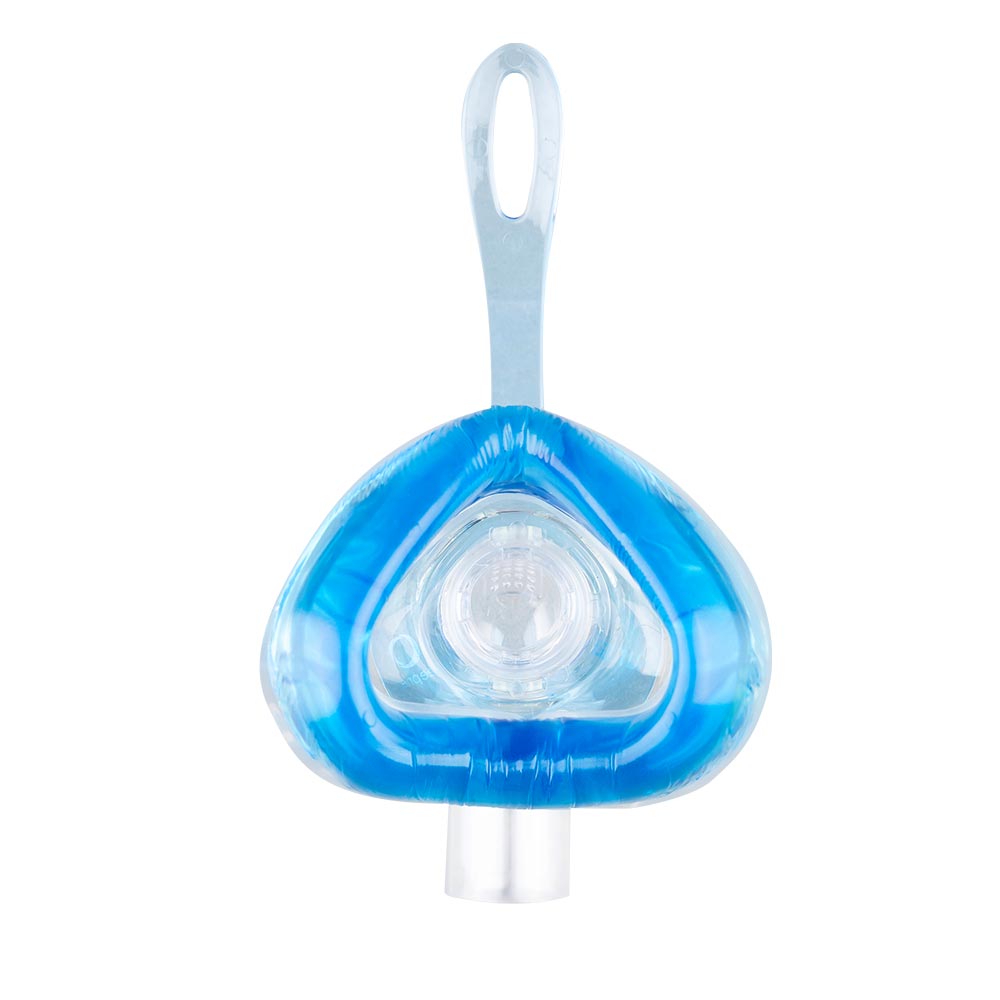
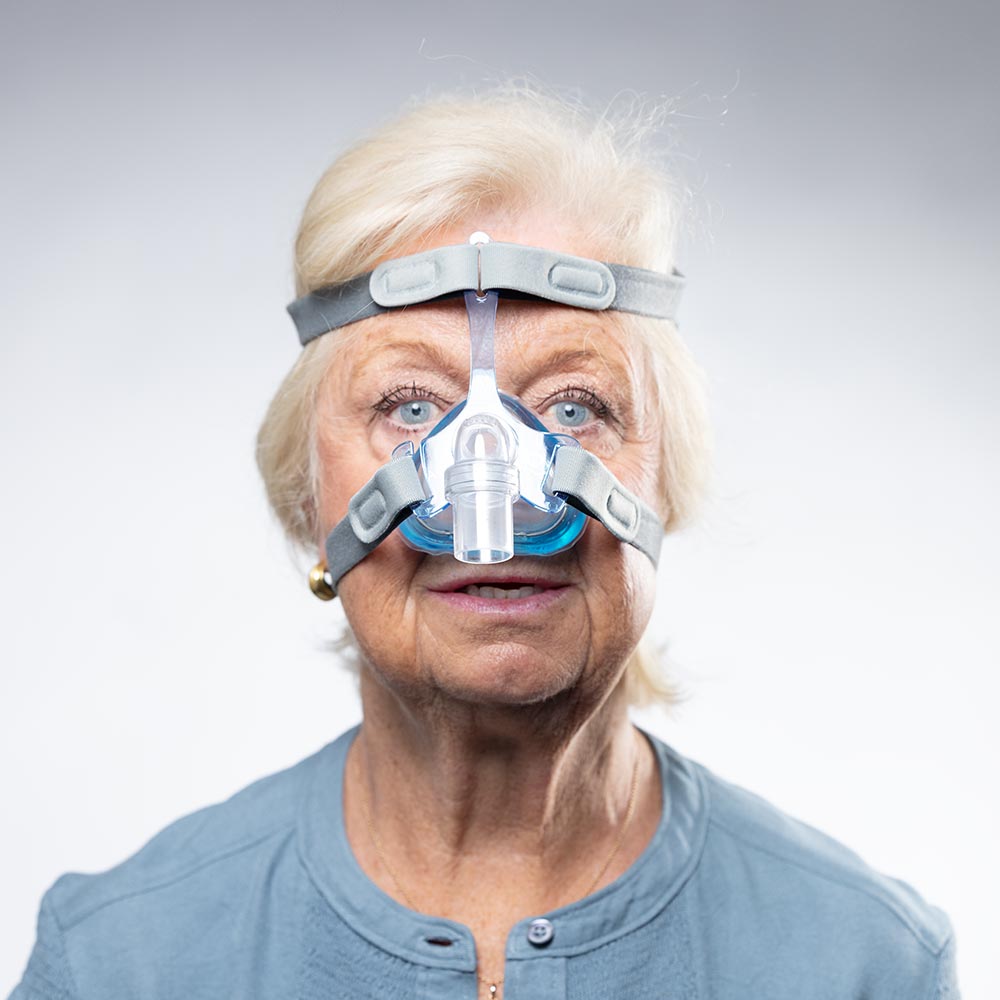
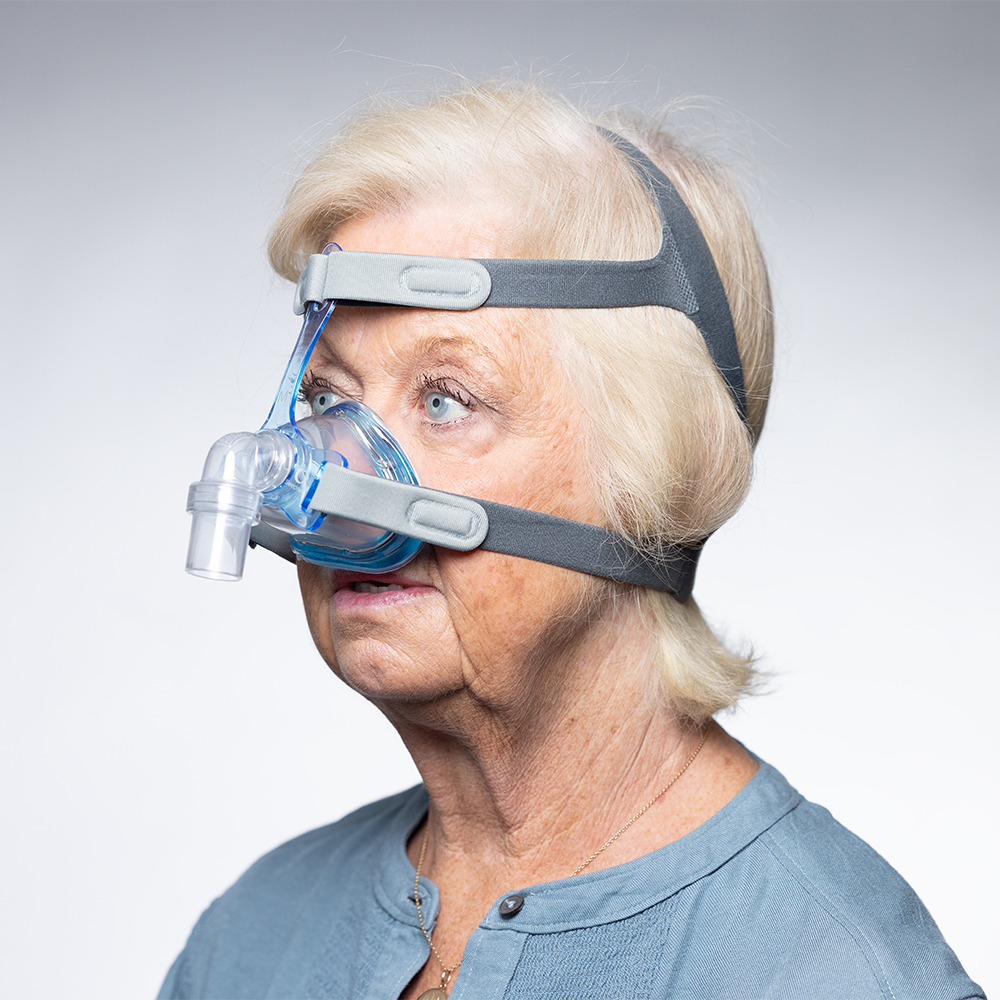
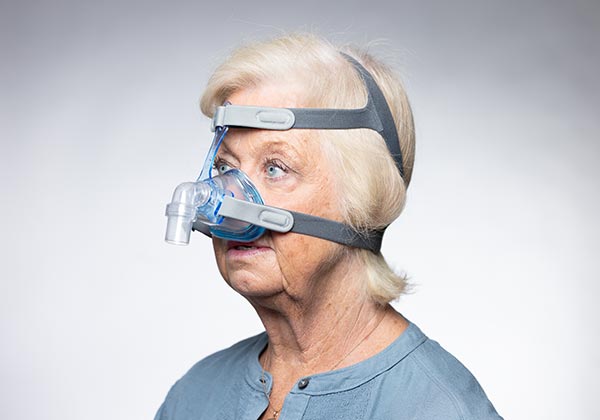
Available in three sizes (S, M, and L), the Aura® Nasal Mask is designed to accommodate most facial features while providing easier mobility and a better, comfortable seal without irritating the skin. Its easy on and easy off design reduces disruptions to sleep.
The Aura® Nasal Mask uses Sleepnet’s AIR°gel® cushion featuring Custom Fit Technology.
Key Benefits:
- Comfort
- Easier mobility
- Better seal
- Easy on and off
Features

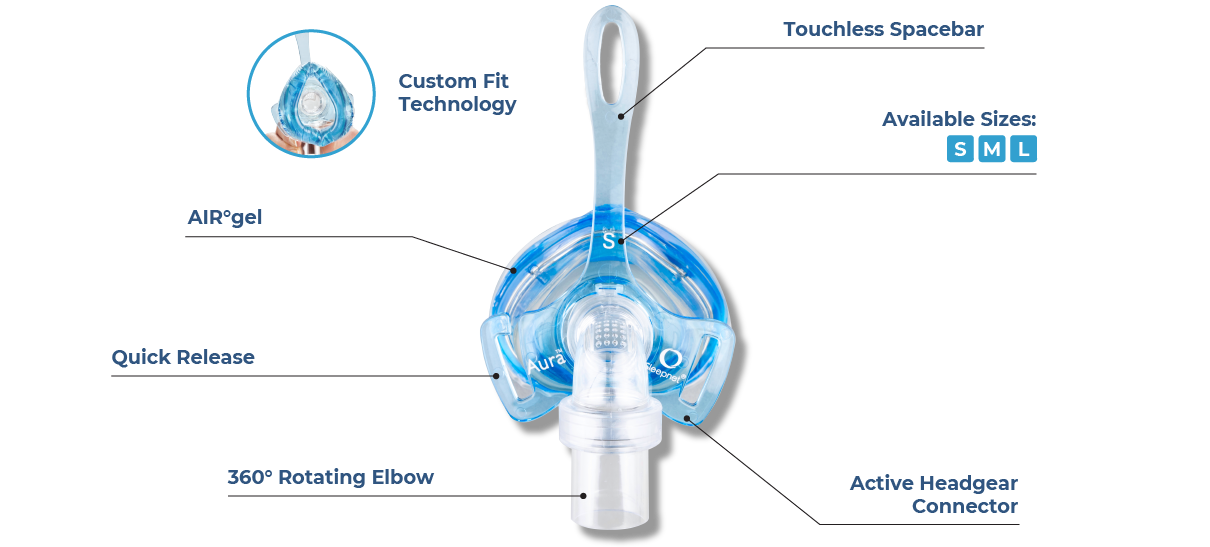
360 Rotating Elbow
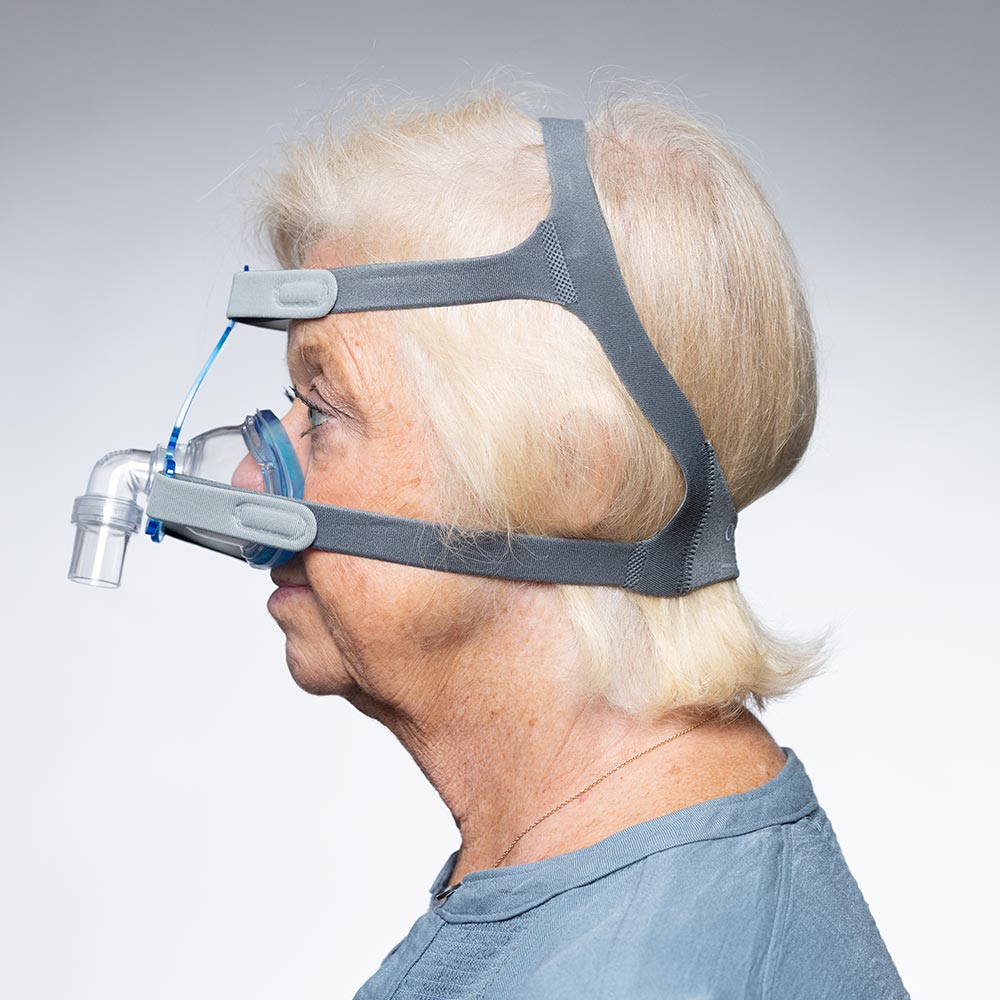
Designed to provide flexibility and comfort, the 360-degree rotating elbow allows the user to change sleep positions, move their head, or adjust the mask without discomfort. Additionally, the rotating elbow prevents the tubing from becoming twisted or tangled, which can often cause leaks or discomfort.

Active Headgear Connector
Ideal for active sleepers, our active headgear connector is designed to move and adjust while maintaining a tight yet comfortable seal and preventing air leaks.

AIR°gel®
Sleepnet’s AIR°gel® is a leading edge innovation developed and designed to enhance the comfort and effectiveness of our respiratory masks. This advanced cushion technology features medical grade silicone gel that conforms to the contours of each individual face creating a secure and comfortable seal that ensures a snug fit while minimizing air leakage around the edges. Our AIR°gel® technology is soft and flexible and helps to reduce irritation, making it suitable for extended wear.

Breathable headgear
Designed to allow air to flow and draw sweat away from the skin, our breathable headgear, made from lightweight, moisture-wicking material, keeps the users's head cool and comfortable.

Custom Fit Technology
Sleepnet's Custom Fit Technology is our proprietary technology made from a flexible, pliable material that responds to gentle manipulation and accommodates changes in weight and facial asymmetry. Custom Fit Technology allows the user to easily shape the mask by gently bending and molding it along the sides, top, and bottom to provide a consistent and secure fit.

Quick Release
Our quick release masks feature a a slot on the side that allows the user to easily put on or take off the mask and headgear.

Touchless Spacebar
Adding comfort with its contactless design, our headgear attaches to the touchless spacebar and provides additional stability by keeping the mask seal in place when the user moves.
Frequently Asked Questions
Are your masks made in the USA?
Yes, all Sleepnet masks are manufactured in the US with globally sourced materials.
Are your masks compatible with any manufacturer’s device?
Our vented CPAP masks fit all standard 22 mm CPAP and BiPap device connections.
How do I clean my mask?
We recommend cleaning your mask daily. Wash the mask and its components in warm water with a mild soap, allowing it to air dry. To extend the life of your mask and maintain a good seal, wash your face before putting it on.
What is the difference between a nasal and full-face mask?
The main difference between a full-face mask and a nasal mask lies in the area of the face they cover and the way they deliver air to the user:
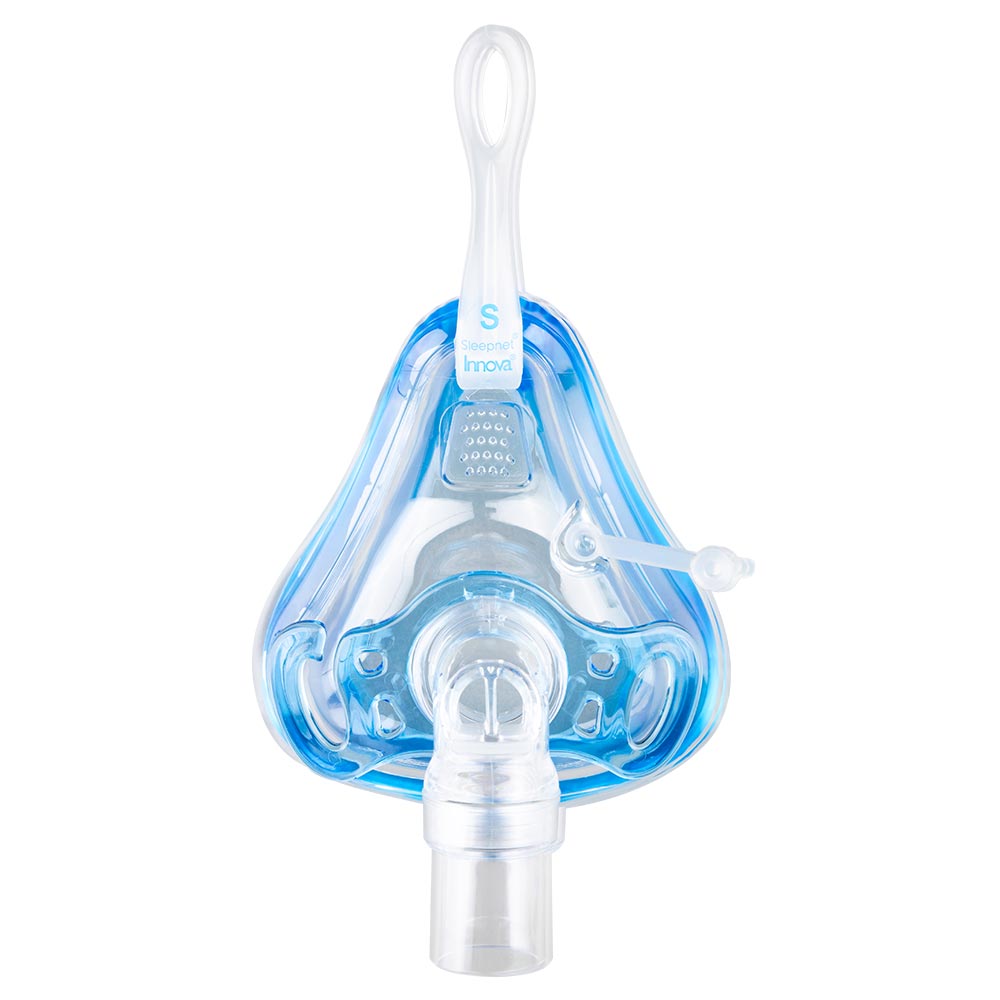
A full-face mask covers both the nose and the mouth, forming a seal that ensures the air pressure is delivered to both the upper airway (nose) and the lower airway (mouth). Full-face masks are often used when individuals breathe through their mouth during sleep, have nasal congestion that prevents them from breathing through their nose, or prefer a mask that covers the entire face for comfort. They are suitable for people who experience nasal blockages, have allergies, or tend to open their mouths during sleep. They also prevent air leaks caused by mouth breathing. Full-face masks can be bulkier and may feel claustrophobic to some users. They might also have a higher chance of air leaks than nasal masks.
A nasal mask covers only the nose. It forms a seal around the nostrils to deliver the pressurized air directly to the upper airway. Nasal masks are suitable for individuals who primarily breathe through their nose during sleep and do not have significant mouth-breathing habits or issues. They are typically less bulky and offer a more open feeling than full-face masks. Many users find them less claustrophobic and more comfortable. A nasal mask may not be as effective if you breathe through your mouth during sleep or have nasal congestion. Air leaks might occur if the mouth opens during sleep.
A full-face mask covers both the nose and the mouth, forming a seal that ensures the air pressure is delivered to both the upper airway (nose) and the lower airway (mouth). Full-face masks are often used when individuals breathe through their mouth during sleep, have nasal congestion that prevents them from breathing through their nose, or prefer a mask that covers the entire face for comfort. They are suitable for people who experience nasal blockages, have allergies, or tend to open their mouths during sleep. They also prevent air leaks caused by mouth breathing. Full-face masks can be bulkier and may feel claustrophobic to some users. They might also have a higher chance of air leaks than nasal masks.
A nasal mask covers only the nose. It forms a seal around the nostrils to deliver the pressurized air directly to the upper airway. Nasal masks are suitable for individuals who primarily breathe through their nose during sleep and do not have significant mouth-breathing habits or issues. They are typically less bulky and offer a more open feeling than full-face masks. Many users find them less claustrophobic and more comfortable. A nasal mask may not be as effective if you breathe through your mouth during sleep or have nasal congestion. Air leaks might occur if the mouth opens during sleep.