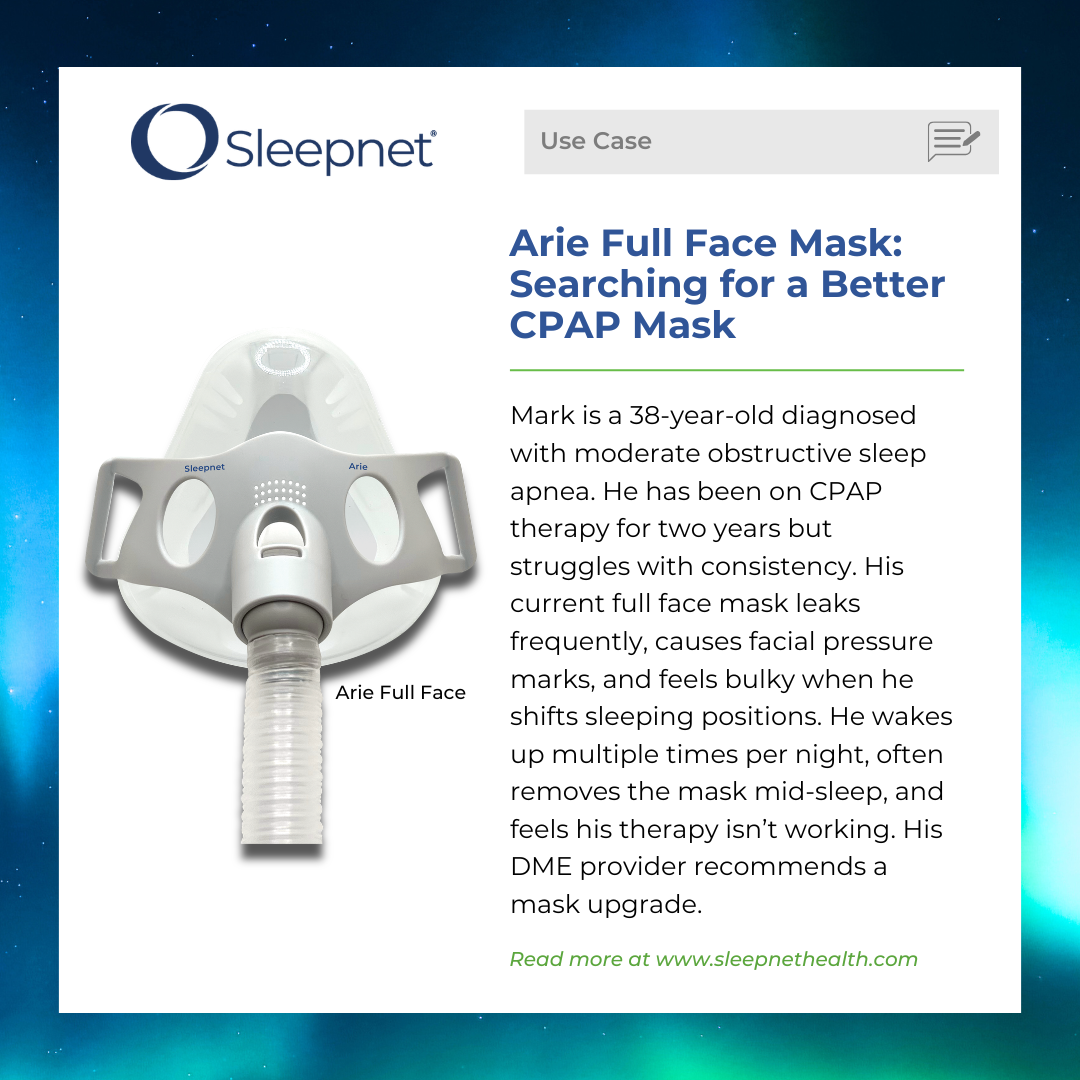
Why Do You Still Feel Tired After Sleeping? The Link Between Sleep Inertia & Sleep Apnea
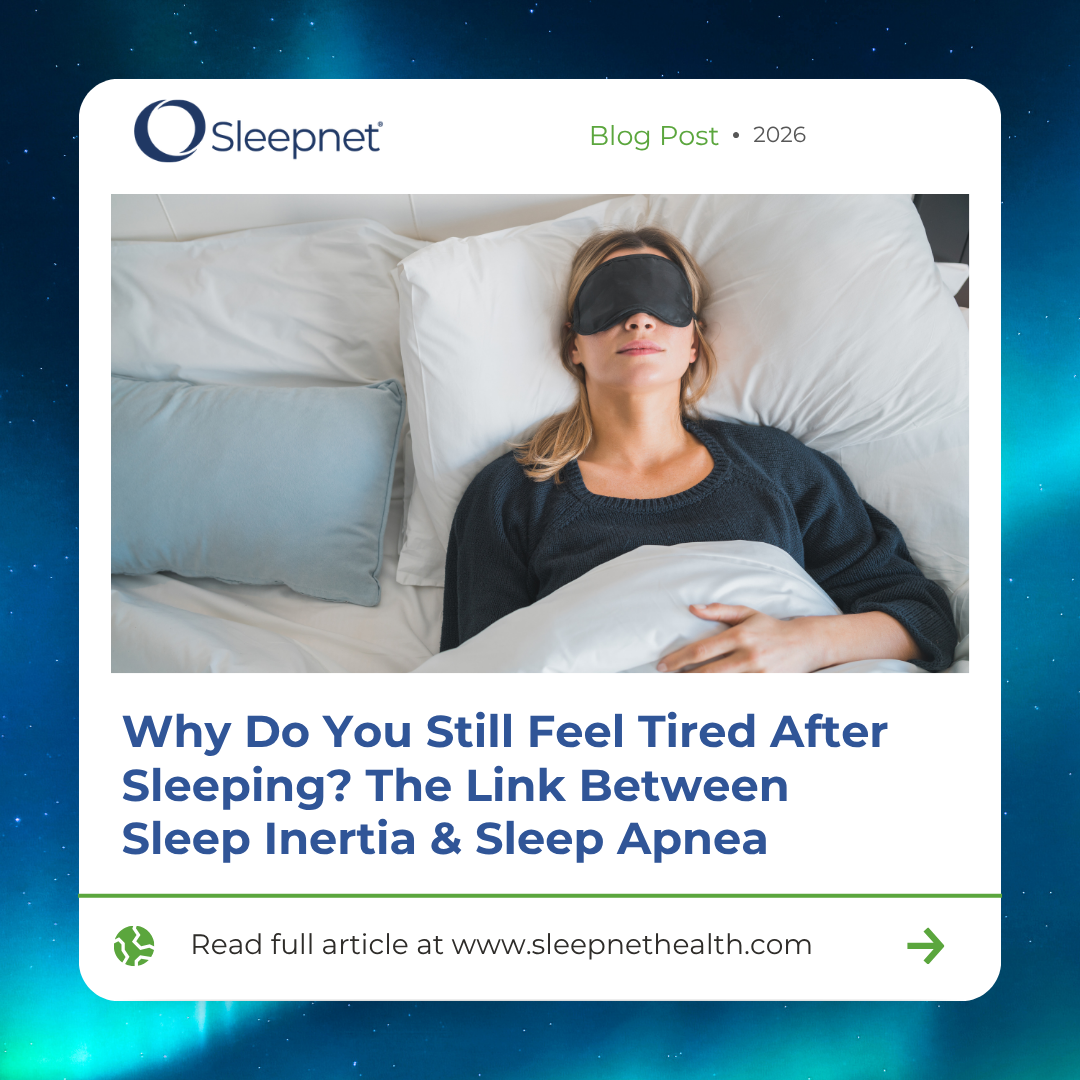
Waking up should feel refreshing—but for many people, it doesn’t.
If you’ve ever opened your eyes after a full night’s sleep only to feel groggy, disoriented, or like you could go right back to bed, you’re not alone. That heavy, slow-to-start feeling has a name: sleep inertia.
While occasional morning grogginess is normal, persistent fatigue may be a sign that something deeper is affecting your sleep—such as obstructive sleep apnea (OSA).
What Is Sleep Inertia?
Sleep inertia refers to the temporary state of reduced alertness and impaired performance immediately after waking. It can feel like:
- Brain fog or slow thinking
- Difficulty concentrating
- A strong urge to go back to sleep
- Low energy, even after 7–8 hours of rest
For most people, sleep inertia lasts a few minutes. But when it lingers longer—or feels intense day after day—it may indicate that your sleep isn’t as restorative as it should be.
(Sleep Foundation 2025, “Sleep Inertia: How to Combat Morning Grogginess”).
What Is Obstructive Sleep Apnea?
Obstructive sleep apnea is a common sleep disorder in which breathing repeatedly stops and starts throughout the night due to airway obstruction (Mayo Clinic 2025, “Obstructive Sleep Apnea”).
These interruptions can occur dozens—or even hundreds—of times per night, often without the individual fully waking up or remembering them.
As a result, sleep becomes:
- Fragmented
- Less restorative
- Deprived of important deep and REM stages
The Connection: Why Sleep Apnea Can Worsen Sleep Inertia
Sleep inertia is closely tied to how and when you wake up during your sleep cycle.
In healthy sleep, the body moves through cycles of light sleep, deep sleep, and REM sleep. Waking at the right point in this cycle helps you feel alert and refreshed (Johns Hopkins Medicine, “The Science of Sleep”).
However, sleep apnea disrupts this process in several keyways:
- Frequent micro-awakenings prevent the body from reaching or maintaining deep sleep (Biology Insights 2025, “Fragmented Sleep”).
- Oxygen level fluctuations can affect brain function and alertness
- Interrupted sleep cycles increase the likelihood of waking during deeper stages of sleep (Science Insights 2026, “Does Interrupted Sleep Count as Real Sleep”).
The result?
You’re more likely to wake up feeling disoriented, heavy, and exhausted—classic signs of prolonged sleep inertia.
When It Might Be More Than Just “Morning Grogginess”
While occasional sleep inertia is normal, you may want to look deeper if you regularly experience:
- Loud or frequent snoring
- Waking up tired despite adequate sleep
- Morning headaches
- Daytime fatigue or sleepiness
- Difficulty focusing or staying alert
These symptoms may point to an underlying sleep disorder like sleep apnea.
Improving Sleep Quality—and Morning Clarity
The good news is that sleep quality can improve with the right support and treatment.
For individuals diagnosed with sleep apnea, positive airway pressure (PAP) therapy is a common and effective solution. By helping maintain an open airway throughout the night, PAP therapy supports more consistent, restorative sleep cycles.
However, comfort plays a critical role in long-term success.
A properly fitting mask that prioritizes:
- Seal integrity
- Skin comfort
- Ease of use
can make a meaningful difference in therapy adherence and overall sleep quality.