Understanding Pediatric Sleep Apnea: Symptoms, Diagnosis, and Why Early Detection Matters
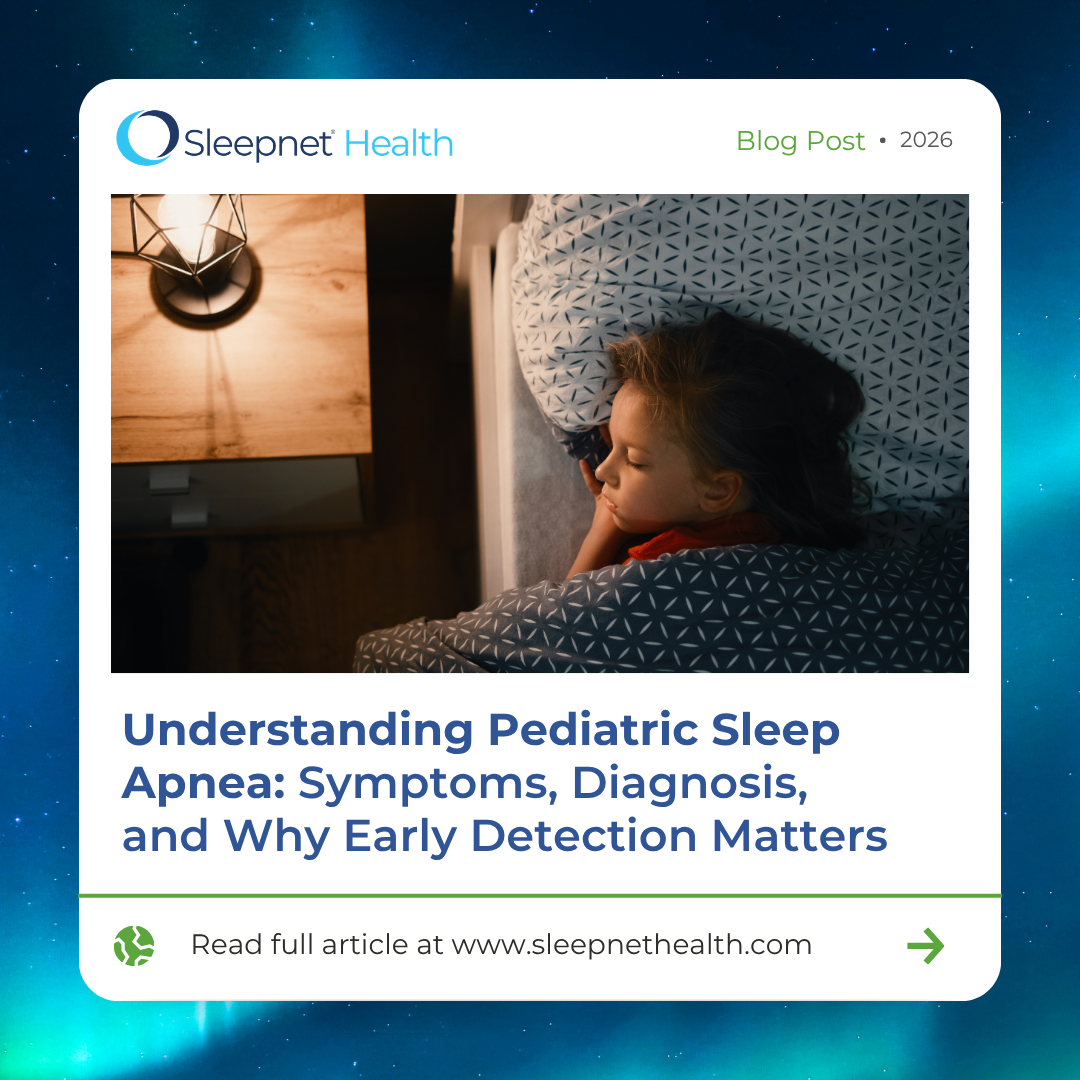
When people think of sleep apnea, they often picture adults. However, obstructive sleep apnea (OSA) can also affect children, impacting their sleep quality, behavior, growth, and overall health. Recognizing the signs early and seeking an accurate diagnosis can make a meaningful difference in a child’s well-being.
What Is Pediatric Sleep Apnea?
Pediatric obstructive sleep apnea occurs when a child’s upper airway becomes partially or completely blocked during sleep, causing repeated pauses in breathing. These interruptions can reduce oxygen levels and disrupt the restorative sleep children need for healthy development.
Sleep apnea can affect children of all ages, including infants, toddlers, and adolescents.
(SleepApnea.org 2026, “Sleep Apnea in Children”).
Common Symptoms of Pediatric Sleep Apnea
The signs of sleep apnea in children can look different than they do in adults. While loud snoring is a common symptom, there are several other indicators parents and caregivers should watch for, including:
- Loud, frequent snoring
- Pauses in breathing during sleep
- Gasping or choking while sleeping
- Restless sleep or frequent movement throughout the night
- Mouth breathing during sleep
- Bedwetting beyond the typical age
- Morning headaches
- Difficulty waking up or excessive daytime sleepiness
- Trouble concentrating or learning at school
- Hyperactivity, irritability, or behavioral concerns
Because these symptoms can overlap with other childhood conditions, it’s important to discuss any concerns with a healthcare provider (Sleep Foundation 2026, “Sleep Apnea in Children”).
Risk Factors for Pediatric Sleep Apnea
Several factors can contribute to the narrowing or blockage of a child’s upper airway during sleep, increasing the risk of developing obstructive sleep apnea (OSA). While some children have a single contributing factor, others may have a combination of risk factors.
Common risk factors include:
- Enlarged adenoids or tonsils, which are among the most common causes of pediatric OSA and may result from recurrent infections or natural enlargement.
- Obesity can increase the amount of soft tissue surrounding the airway.
- Differences in facial structure that may affect the size or shape of the upper airway.
- Certain neurological or genetic conditions, which can impact muscle tone or airway anatomy.
- A family history of sleep apnea, which may increase a child’s likelihood of developing the condition.
- Exposure to secondhand smoke can contribute to airway inflammation and increase the risk of breathing difficulties during sleep.
Understanding these risk factors can help parents and caregivers recognize when further evaluation by a healthcare provider or sleep specialist may be appropriate.
(SleepApnea.org 2026, “Sleep Apnea in Children”).
How Is Pediatric Sleep Apnea Diagnosed?
Diagnosis typically begins with a review of the child’s medical history, symptoms, and a physical examination. A healthcare provider may also ask questions about sleep habits and nighttime behaviors.
If sleep apnea is suspected, the child may be referred for an overnight sleep study, also known as polysomnography. During this study, healthcare professionals monitor breathing patterns, oxygen levels, heart rate, brain activity, and sleep stages to determine whether sleep apnea is present and assess its severity (Healthy Children.org 2024, “Sleep Apnea in Children: Detection & Treatment”).
In some cases, an at-home sleep test may be considered for older children, although overnight sleep studies performed in a sleep laboratory remain the gold standard for diagnosing pediatric obstructive sleep apnea.
Why Early Diagnosis Matters
Untreated pediatric sleep apnea can affect far more than a child’s sleep. Interrupted breathing throughout the night may impact healthy growth, cognitive development, emotional regulation, and cardiovascular health. It can also cause:
- High blood pressure
- High cholesterol
- Higher than typical blood sugar level
- Heart and blood vessel conditions.
(Mayo Clinic 2024, “Pediatric Obstructive Sleep Apnea,”)
Early diagnosis allows healthcare providers to identify the underlying cause and recommend appropriate treatment before complications develop. Depending on the child, treatment may include removing enlarged tonsils or adenoids, weight management when appropriate, positive airway pressure (PAP) therapy, or other interventions recommended by a sleep specialist.
Improving sleep quality can lead to better focus, improved behavior, healthier development, and an overall better quality of life for both children and their families.
Supporting Better Sleep for Growing Children
Every child deserves healthy, restorative sleep. By recognizing the symptoms of pediatric sleep apnea and seeking timely evaluation, parents and caregivers can help ensure children receive the care they need to sleep better, grow stronger, and thrive.