Healthy Aging Starts with Healthy Sleep: Why Sleep Apnea Matters as We Age
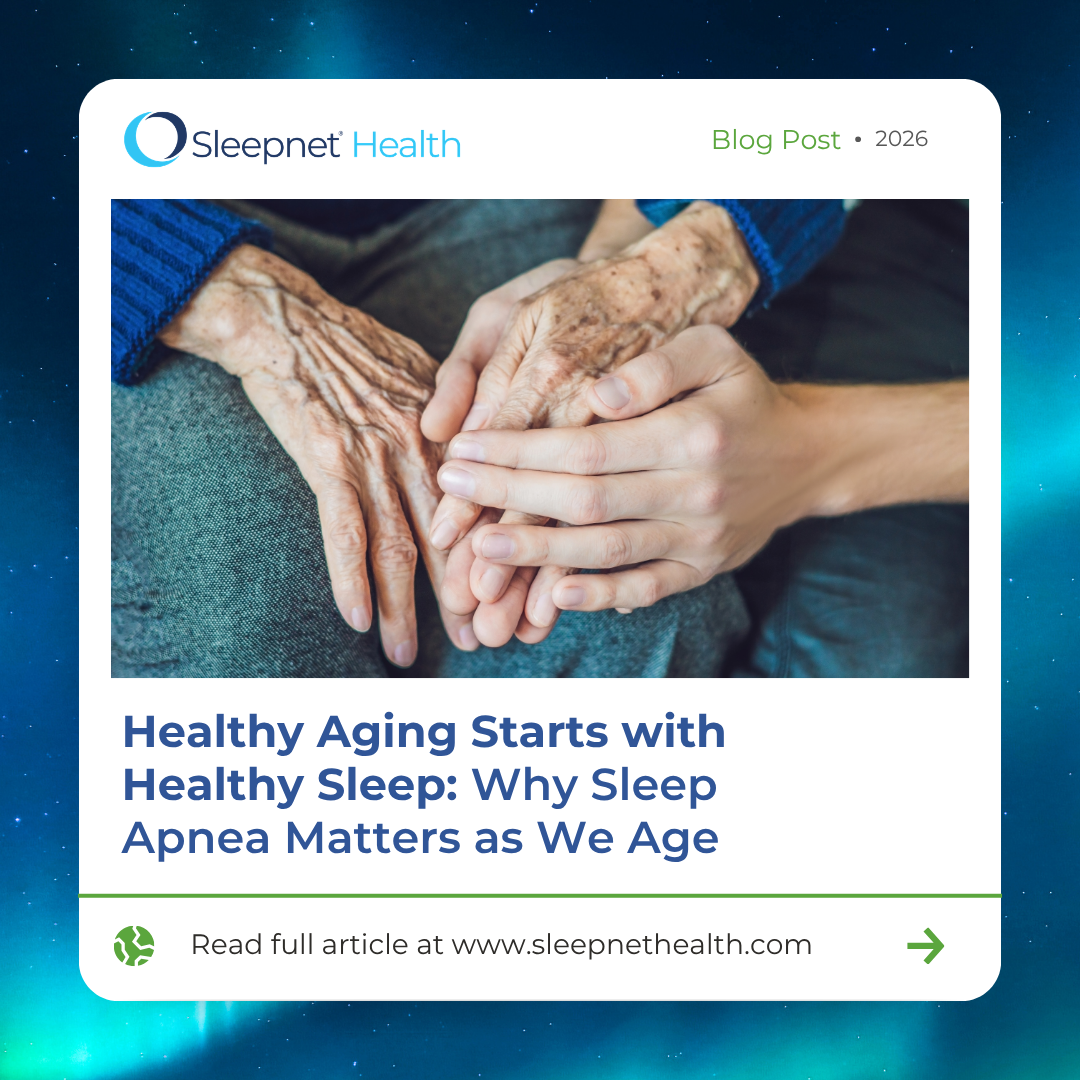
September is Healthy Aging Month, a time to recognize the habits and health choices that can support physical, mental, and emotional well-being throughout every stage of life. While nutrition, exercise, and preventive care often take center stage in conversations about healthy aging, another essential part of long-term health deserves attention: sleep.
Sleep needs do not disappear as we get older. In fact, prioritizing healthy, restorative sleep — and recognizing when a sleep disorder may be interfering with it — can be an important part of maintaining health and quality of life as we age.
Sleep Needs as We Age
It is a common misconception that people simply need less sleep as they get older. According to the National Institute on Aging (NIA), older adults still need approximately seven to nine hours of sleep each night (NIA 2025, “Sleep and Older Adults”).
What does change is the way we sleep. As people age, sleep may become shorter and lighter, and waking throughout the night may become more common. Health conditions, medications, pain, and other factors can also make getting a restful night’s sleep more difficult.
Quality sleep remains important for the entire body. Adequate sleep supports brain, heart, and lung health while contributing to energy levels, mood, memory, decision-making, and daytime functioning (Sleep Foundation 2025, “Health Benefits of Sleep”).
That means persistent poor sleep should not automatically be dismissed as a normal part of getting older.
The Connection Between Aging and Sleep Apnea
Sleep disorders have become increasingly common with age, and sleep apnea is no exception.
Obstructive sleep apnea (OSA) occurs when the upper airway repeatedly becomes blocked during sleep, disrupting normal breathing. While OSA can affect people at any stage of life, the National Heart, Lung, and Blood Institute (NHLBI) identifies increasing age as one of the factors that can raise a person’s risk (NHLBI 2025, “Sleep Apnea: Causes and Risk Factors”).
Common signs of sleep apnea can include:
- Loud, frequent snoring
- Pauses in breathing during sleep
- Gasping or choking during the night
- Excessive daytime sleepiness
- Morning headaches
- Difficulty concentrating
- Waking without feeling refreshed
Because sleep patterns naturally change with age, symptoms of a sleep disorder may sometimes be mistaken for an expected part of getting older. However, ongoing daytime sleepiness or consistently poor-quality sleep may be worth discussing with a healthcare provider (Sleep Foundation 2026, “Aging and Sleep”).
Why Recognizing Sleep Apnea Matters
Healthy aging is about more than simply living longer. It is also about supporting health, independence, and quality of life throughout the aging process.
Untreated sleep apnea can affect more than a good night’s rest. Research has linked sleep apnea with an increased risk of health conditions including high blood pressure, diabetes, heart disease, and stroke (Johns Hopkins Medicine, “The Dangers of Uncontrolled Sleep Apnea”).
Poor-quality sleep can also affect how a person feels and functions during the day. The NIA notes that insufficient quality sleep may contribute to problems with memory, negative feelings, and an increased risk of falls or accidents (NIA 2025, “Sleep and Older Adults”).
Recognizing and addressing sleep problems can therefore be an important piece of a larger healthy-aging strategy.
Supporting Long-Term PAP Therapy
For individuals diagnosed with obstructive sleep apnea, positive airway pressure (PAP) therapy is a widely used treatment that delivers air through a mask to help keep the airway open during sleep.
But successful therapy is not just about beginning treatment. Long-term consistency matters (SleepApnea.org 2026, “CPAP Compliance”).
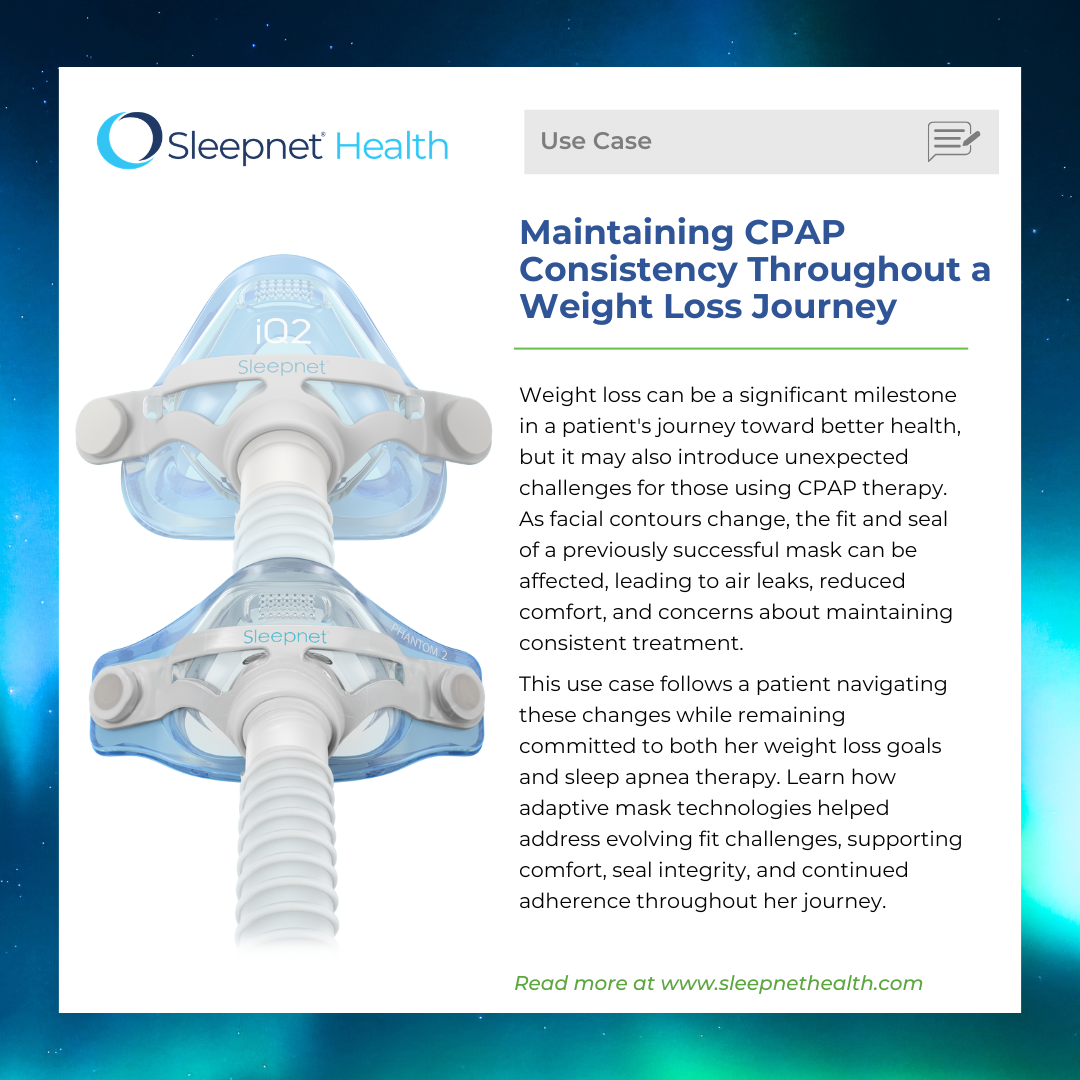
As patients age, their needs may evolve. Changes in facial structure, weight, dexterity, mobility, or general comfort can affect the PAP therapy experience. A mask that fits comfortably and supports a reliable seal can play an important role in helping patients incorporate treatment into their nightly routine.
When challenges arise, patients should work with their healthcare provider or sleep specialist rather than simply abandoning therapy. Follow-up care, education, troubleshooting, and appropriate equipment adjustments can help address barriers to continued PAP use.
Make Healthy Sleep Part of Healthy Aging
Healthy aging begins long before a particular birthday. It is an ongoing process of making choices that support physical and mental well-being throughout life.
This Healthy Aging Month, sleep deserves a place alongside nutrition, physical activity, preventive care, and other healthy habits.
Whether that means improving sleep habits, speaking with a healthcare provider about persistent sleep problems, or remaining consistent with prescribed sleep apnea therapy, prioritizing sleep today can be an important investment in health and well-being for the years ahead.