Improving Pediatric NIV Tolerance with the MiniMe®2 Mask
Patient Background
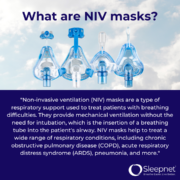
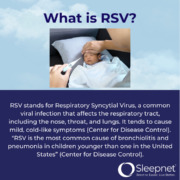
A 3-year-old child was admitted to the pediatric unit of a regional hospital with RSV (Respiratory Syncytial Virus) bronchiolitis and worsening respiratory distress. Despite receiving supplemental oxygen and supportive care, the child’s respiratory distress continued to worsen. To avoid the need for more invasive respiratory interventions, the care team initiated non-invasive ventilation (NIV) to provide additional respiratory support.
Because successful NIV depends heavily on patient cooperation and a well-fitting interface, selecting an appropriate mask quickly became an important part of the child’s treatment plan.
The Challenge
Initially, the child was fitted with a standard pediatric mask for non-invasive ventilation, but maintaining therapy proved difficult.
The child became increasingly agitated whenever the mask was applied and frequently attempted to remove it. These repeated interruptions made it difficult to deliver consistent, effective NIV therapy.
As treatment continued, clinicians observed visible pressure marks developing across the nasal bridge and cheeks of the child. The child’s small facial anatomy, frequent movement, and sensitivity to the mask made it difficult to maintain a reliable seal without increasing headgear tension. Although clinicians attempted to improve the seal by tightening the headgear, intermittent air leaks persisted, and additional pressure was placed on the child’s delicate skin.
As therapy interruptions became more frequent and mask tolerance continued to decline, the care team recognized that the mask—not the NIV therapy itself—was the primary barrier to successful treatment. The child’s parents, who remained at the bedside throughout the hospitalization, also expressed concern as they watched their child struggle to tolerate the mask.
The clinical team identified two key challenges:
- Pressure-related facial irritation reduced comfort and tolerance during therapy.
- Difficulty maintaining a consistent seal caused air leaks and repeated therapy interruptions.
The Solution
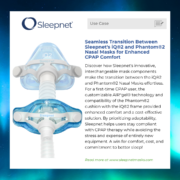
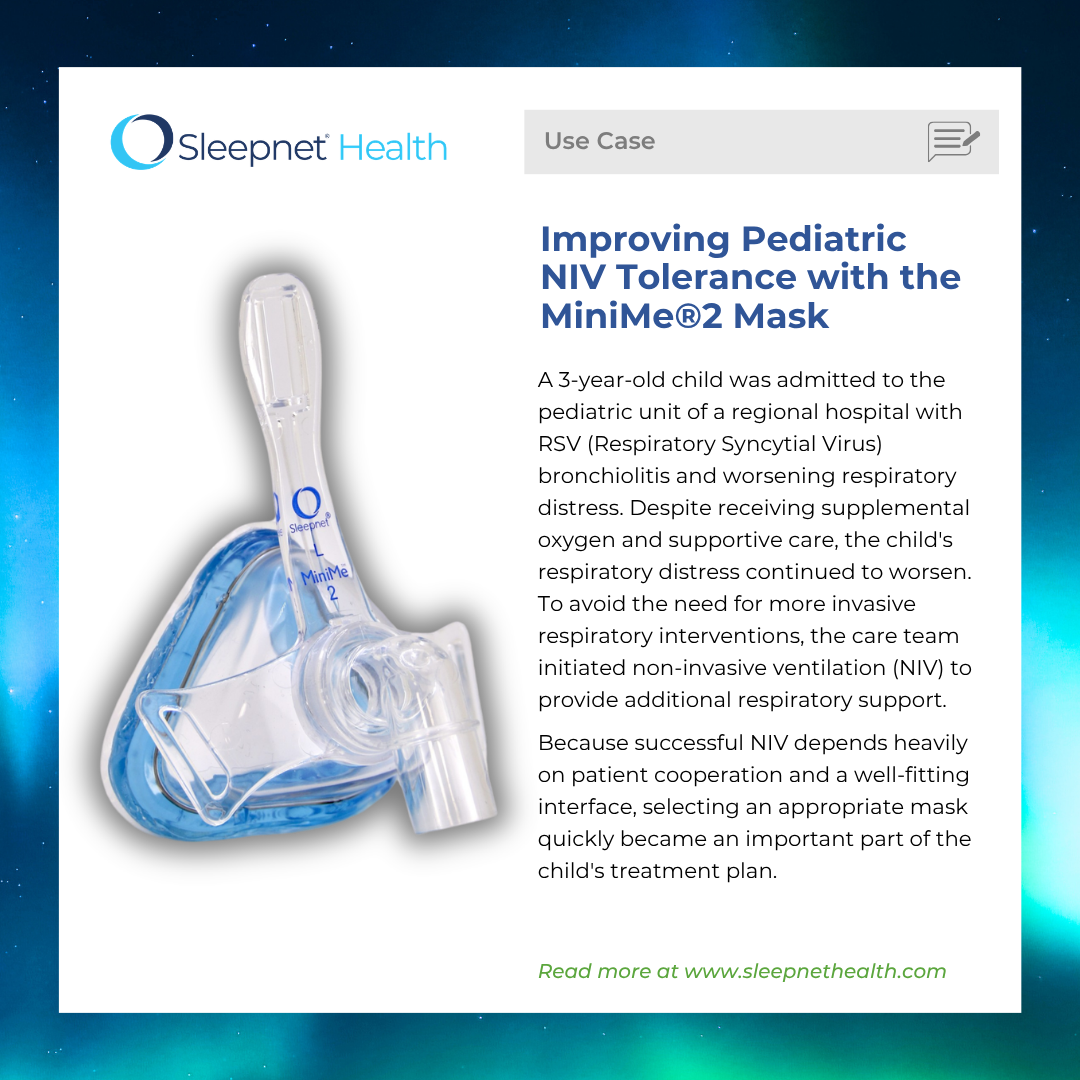
To improve comfort and support reliable NIV therapy, the care team transitioned the patient to Sleepnet’s MiniMe®2 NIV mask.
The MiniMe®2 mask was selected due to several pediatric-focused design features that helped address the challenges encountered with the previous interface:
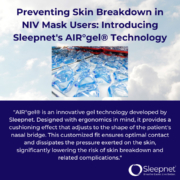
- AIR°gel® Technology provided a soft, flexible cushion designed to distribute pressure more comfortably while helping to minimize skin irritation during extended wear.
- Custom Fit Technology allowed clinicians to gently mold the mask frame to the patient’s facial contours, creating a more personalized fit while improving seal performance.
- Pediatric-Focused Design specifically developed for younger patients, helping clinicians achieve a secure fit while reducing unnecessary pressure on sensitive facial structures.
Together, these features allowed the clinical team to optimize mask fit without relying on excessive headgear tension and pressure.
Results
Following the transition to the MiniMe®2 mask, the care team observed noticeable improvements in both patient comfort and therapy tolerance.
The child became calmer during NIV therapy and tolerated the interface for longer periods with fewer attempts to remove the mask. Facial pressure marks were reduced, and clinicians achieved a more consistent seal despite the patient’s movement.
As a result, therapy interruptions decreased, allowing respiratory support to be delivered more consistently throughout treatment. The improved mask fit also gave clinicians greater confidence that NIV therapy could continue effectively while helping to reassure the child’s parents that their child was receiving comfortable, supportive care.
Conclusion
This case demonstrated that patient comfort, proper mask fit, and improved therapy tolerance are all essential to maintaining effective pediatric non-invasive ventilation.
By combining a soft, gentle interface with pediatric-specific design features, the MiniMe®2 NIV mask helped improve patient comfort and therapy tolerance, supporting more consistent respiratory support.